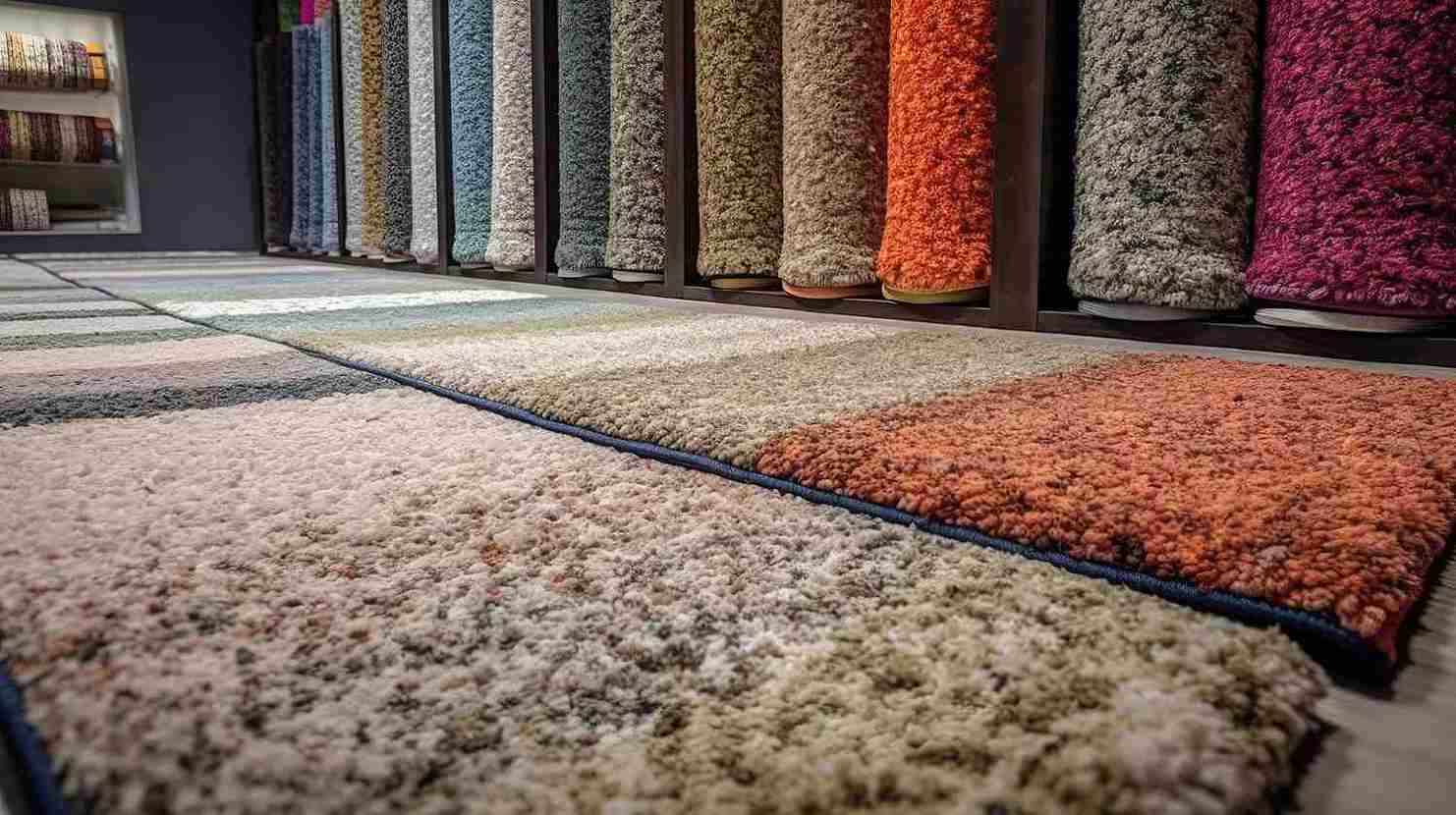
A rug can anchor a room, soften a space, or add warmth—but the part most homeowners overlook is the edge. The edge of a carpet serves as the frame of a painting, giving the entire piece structure, definition, and character. As you choose the rug wisely by considering its texture and colour, it is also important to decide on its border design.
This blog covers the hidden power of rug edges, the different styles that define the beauty of your favourite area, and why selecting the right finish matters for durability and design.
How a Carpet Edge Defines a Room?
The rug’s edge is like the frame of any painting; the frame adds an extra beauty to the painting. You can select the best rug for yourself, but sometimes, when you place it in your room, it doesn’t look as nice as you’d like. The reason is that the rug’s edge is often unnoticed. Even a premium-quality rug can look unfinished without a clean, well-structured edge.
The right border can complement wall colours, enhance furniture tones, and tie together architectural elements. A strong edge also prevents fraying, curling, and premature wear. For homeowners who prefer long-lasting results without frequent replacement, reinforcing the edge is a practical and aesthetic upgrade.
If you are too lazy to change your carpet after a few months, the best thing is to give it a strong edge. Decorating the carpet edge prevents it from curling at the corners, which can create an odd look.
Strong Rugs Edges for Even Small Spaces
Even in a small area of your house, every line and border of the rug edge counts. A strong rug edge makes the smallest corner feel intentional. Having a rug with strong edges helps the guests to give direction in spaces like stairways or entry nooks. These are the pathways, so the clean border clearly identifies the direction to follow the flow of the home.
Perfectly Cut to Fit Carpet Edges
Custom edge finishing is the essential step when shaping a rug to fit a specific area. Whether your rug has straight lines, curved borders, or unique angles, the finishing must match both the rug material and the room’s aesthetics.
- Wide binding creates a bold, elegant outline ideal for large rooms.
- Double binding adds extra strength for busy family spaces.
- Nailhead and cottonwood bindings offer texture and decorative appeal.
- Serging provides a handcrafted look, perfect for high-end or wool rugs.
An accurately finished edge boosts durability and elevates the overall presentation.
Edges Tell a Story
The edges of the rugs tell a story because each edge reflects the homeowner’s personal choices. Most of the time, heirloom rugs are brought to flooring service providers to reweave them with the design architecture of another room.
For example, a playroom rug’s style may match the art on the walls. The hallway runner may have the same edge finish as the stairs it follows. Whether minimalist or bold, the edge style tells a unique design story. Invisible stitching creates a minimalist look, while a more modern look can be achieved with an edge that suits your personal style.
Small Edge Creates Big Energy
The edge finish only extends a few inches, but it adds a lot of energy to the room. That’s how the hallway looks more aesthetic, the living room more beautiful, and the staircase a more stylish area. When you are buying a rug, notice the details deeply. The things include the stitching of the rug end and the lines on it.
The edges of the rug could make a mark in your home by matching the decor of your room, giving your home an extra boost of energy. Finding the best rug isn’t enough if you haven’t chosen the perfect finish for it. It’s the part that seals the high energy in your room.
What are the Different Types of Rug Edges?
There are different styles of rug edges. Fringe, binding, and serging are various styles that you can give to your rug for a final look. There are three most common types of rug edges:
Binding: A fabric strip wraps the rug’s edge, creating a clean, polished finish. It is an affordable and versatile option that lets you choose colours that blend with or contrast with the rug and room décor.
Serging: In serging, the hand-wrapped yarn is used around the rug’s edge. Due to the labour and materials involved, serging tends to be high. Premium rugs often feature carpet serging. Homeowners can choose the yarn based on the carpet’s colour.
Fringing: You may have noticed the rug edges hanging vertically along the carpet’s border. Fringing gives the rug a classic finish. The fringe edge may be short or long, at the homeowner’s choice. However, it requires more care and is more expensive than the binding and serging.
Conclusion
A rug’s edge is more than a boundary—it is an essential design feature that influences visual harmony, protects against wear, and enhances the overall flow of a room. Whether you’re updating a single rug or refinishing an entire home’s flooring, the right edge finish elevates both style and longevity.