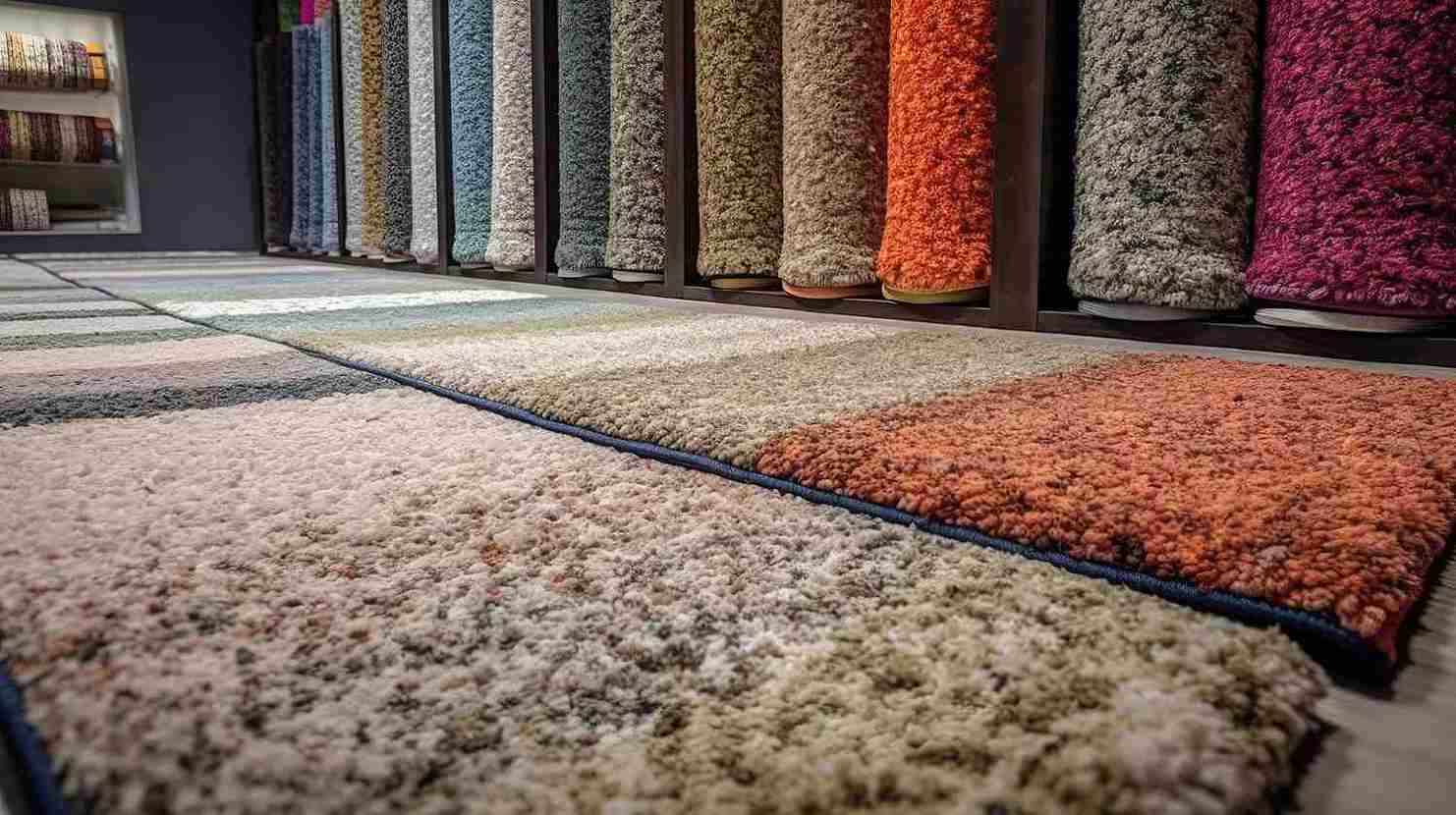
Choosing the perfect carpet for a bedroom can is confusing, especially when there are so many materials, textures, and colours available. Carpet you pick plays a big role in creating a cosy, comfortable, and calm environment. Bedrooms should feel warm and inviting, and the right carpet can greatly enhance that sense of relaxation.
This blog will guide you through the key factors to consider when selecting a carpet that suits your style, comfort needs, and daily routine.
Types of Carpets Suitable for Bedrooms
Because bedrooms are typically low-traffic, comfort-focused spaces, carpets that feel soft underfoot tend to work best. Here are some popular types to consider:
Cut Pile Carpets
These carpets are made by cutting the ends of the fibres, creating a soft and even surface. They’re widely loved for bedrooms because they offer a cushioned feel, making the room warm and inviting.
Saxony Carpets
Saxony carpets are known for their smooth, dense finish and upright fibres. They bring a refined, hotel-like appearance to a bedroom and are ideal if you prefer a more polished and traditional look.
Frieze Carpets
Frieze styles have long, twisted fibres that create a slightly wavy texture. This design naturally hides marks and footprints, making it a great choice for children’s bedrooms or spaces with more activity. The relaxed texture also adds warmth and character.
Plush Carpets
Plush carpets have a velvety feel that gives the room a luxurious touch. Their ultra-soft surface is perfect for comfort lovers, though they can show imprints more easily, making them better suited for quieter bedrooms.
Choosing the Right Carpet Materials
The material of your carpet affects how long it lasts, how soft it feels, and how easy it is to maintain. Common materials include:
Wool
A natural fibre that offers excellent softness, insulation, and durability. Wool carpets feel premium and are ideal for homeowners looking for long-term comfort.
Nylon
Nylon carpets are resilient and spring back well after pressure, making them a dependable, long-lasting option.
Polyester
Polyester provides a soft texture at a more affordable price. It performs well in terms of stain resistance, which is helpful in homes with young children.
Olefin (Polypropylene)
Olefin is a budget-friendly material that handles moisture well. It’s less plush than other options but works nicely in guest rooms or low-use areas.
When choosing a carpet material, consider how often the bedroom is used and whether you prioritise softness, durability, or cost.
Carpet Pile and Texture: What Works Best?
Carpet pile refers to how high or low the fibres stand, and this affects both comfort and upkeep.
Low Pile
These carpets have short fibres that are easy to maintain. They’re practical for anyone who wants a neat, low-maintenance bedroom.
Medium Pile
A comfortable middle option, offering softness without being too difficult to maintain. Good for most bedrooms.
High Pile
High-pile carpets, such as shag styles, feel incredibly soft and luxurious. They are great for warmth and comfort but may need more frequent vacuuming.
Selecting the Right Carpet Colour
Colour plays a huge role in shaping the atmosphere of your bedroom. Here are some tips:
- Light colours reflect light and make small rooms feel spacious and airy.
- Dark shades create a warm, intimate atmosphere and can hide minor stains better.
- Neutral tones like beige, taupe, and grey coordinate easily with most décor styles.
- Patterns can add personality and help conceal everyday wear.
Always check carpet samples at different times of the day to see how the colour looks under natural and artificial light.